What does a retaining wall cost in 2026?
Updated October 2026
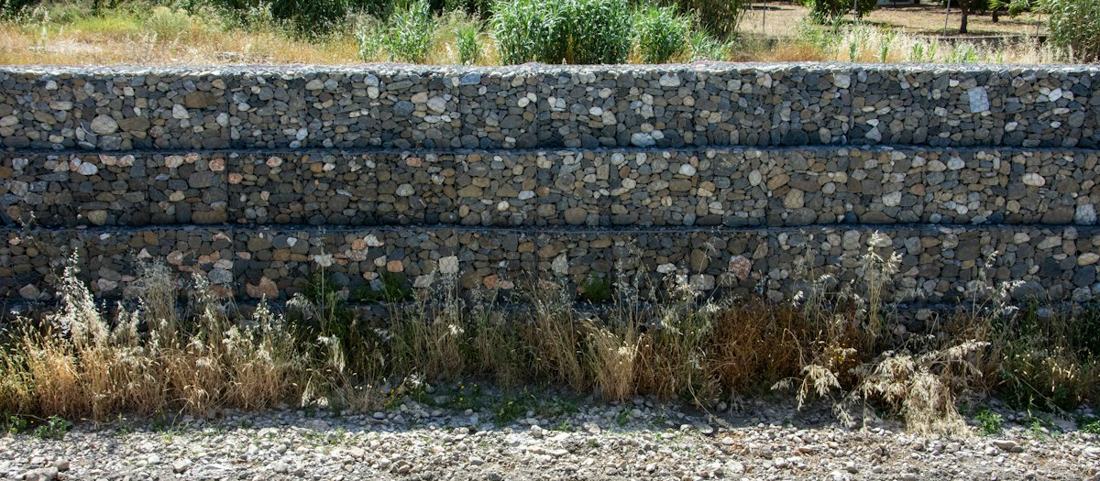
Retaining wall cost is mostly a function of four things: material, height, access and drainage. This guide gives hedged 2026 ranges so you can sanity-check quotes, not replace them. These figures are guide pricing only, drawn from published Australian cost guides, and Sydney jobs often sit toward the upper end. The only number that matters for your block is a free on-site quote.
Guide ranges by material
The ranges below are per lineal metre for a wall about one metre high, which is roughly per square metre of wall face, including standard footings.
Timber sleepers: roughly $200 to $450 per metre. Treated pine at the lower end, hardwood higher. The cheapest way to retain a garden, with a 15 to 25 year life when drained properly. See timber retaining walls.
Concrete sleepers: roughly $250 to $600 per metre. Steel posts and concrete sleepers, no rot, decades of life. The modern default for structural walls. See concrete sleeper walls.
Block and Besser: roughly $300 to $750 per metre. Interlocking garden systems at the lower end, core-filled reinforced Besser at the top, and some guides price engineered masonry at $500 or more per square metre of face. See block retaining walls.
Sandstone: roughly $350 to $700 per metre. Logs at the lower end, boulder walls mid-range, dressed block work above the range, with some guides quoting $600 to $800 per square metre for sandstone block. See sandstone retaining walls.
Published guides vary and prices move, so treat all of the above as a starting band, not a quote.
What moves the price
Height is the biggest lever. Soil pressure grows faster than height does, so a 1.5m wall costs well over fifty percent more than a 1m wall, because it needs deeper footings, heavier posts and usually an engineer. Expect the per-metre rate itself to climb as walls get taller.
Engineering and approvals. In NSW, walls up to 600mm high can be built without approval if they meet the exempt development criteria. Anything over 600mm needs a CDC or DA, and walls much over a metre commonly need a structural engineer's design. Walls carrying a surcharge such as a driveway, pool or building, or walls close to a boundary or structure, generally need engineering whatever their height. Engineering and a complying development certificate or DA all add real cost, so confirm what your wall triggers with Sutherland Shire Council before you compare quotes. Before any digging, your builder should lodge a free Before You Dig Australia (BYDA) enquiry to locate underground services.
Access. A machine that can drive to the wall line is cheap. Hand digging, craning materials over a house, or carrying sandstone down forty steps is not. Shire blocks are famous for the second kind.
Ground conditions. Sandstone shelf means rock drilling for post holes. Clay pockets common around Menai and Bangor mean more careful footings and drainage. Both are routine for local builders, both cost more than soft easy soil.
Demolition. Removing a failed wall, and disposing of old treated pine, adds to any replacement job.
The drainage question that makes quotes comparable
When you hold two quotes side by side, check whether each one itemises drainage: ag-pipe behind the base, free draining gravel backfill with geotextile fabric, and connection to a legal stormwater discharge point. Water, not weight, is what fails retaining walls, and a quote that quietly excludes drainage is a cheaper wall that fails sooner. If drainage is not listed, ask. A builder who shrugs at the question is telling you something. Our retaining wall drainage page explains why this matters so much on Shire blocks.
Two more checks. In NSW, residential building work over $5,000 including GST must be done by a licensed contractor, which covers almost every retaining wall, so ask for the licence number. And make sure both quotes are for the same engineered height and finish, since a 900mm quote against a 1.2m quote is not a comparison.
Get a real number
Shire Retaining Walls is a referral service. Tell us about your wall through the form and an experienced, insured local builder who works your suburb will call you back with a free quote, no obligation.
Frequently asked questions
What height retaining wall needs council approval in NSW?
As a general rule, walls up to 600mm high can be built without approval if they meet the exempt development criteria under the state codes. Anything over 600mm needs a CDC or DA, and engineering is commonly required above about a metre. Criteria include setbacks and site factors, and they change, so check your specific wall with Sutherland Shire Council or a private certifier before building.
Why do quotes for the same wall vary so much?
Usually because they are not the same wall. Differences in drainage inclusions, engineering, footing depth, demolition, disposal and finish hide inside the totals. Ask each builder to itemise, especially the drainage.
What is the cheapest retaining wall option?
Treated pine timber is usually the cheapest to build, and interlocking block is often the cheapest long-life option at garden height. Cheapest over 20 years is a different question, where concrete sleepers often win because they never need replacing.